


The idea is simple, but there are many ways to put it into practice:
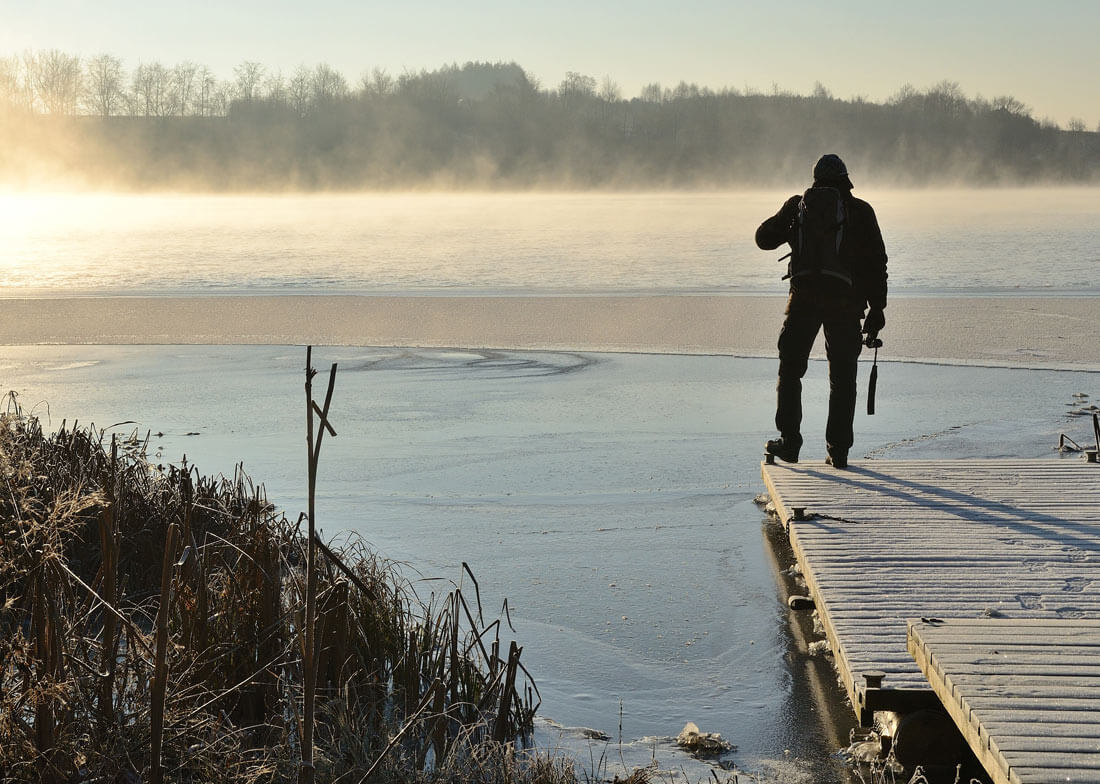
On foot — the classic approach. It represents simplicity, awareness and direct contact with the environment. Route planning and navigation are important, as is managing energy and resources effectively. Proper clothing and equipment ensure that weather conditions are not an obstacle.
With only essential gear in your pack, respect for nature and commitment to minimal impact travel alongside you.
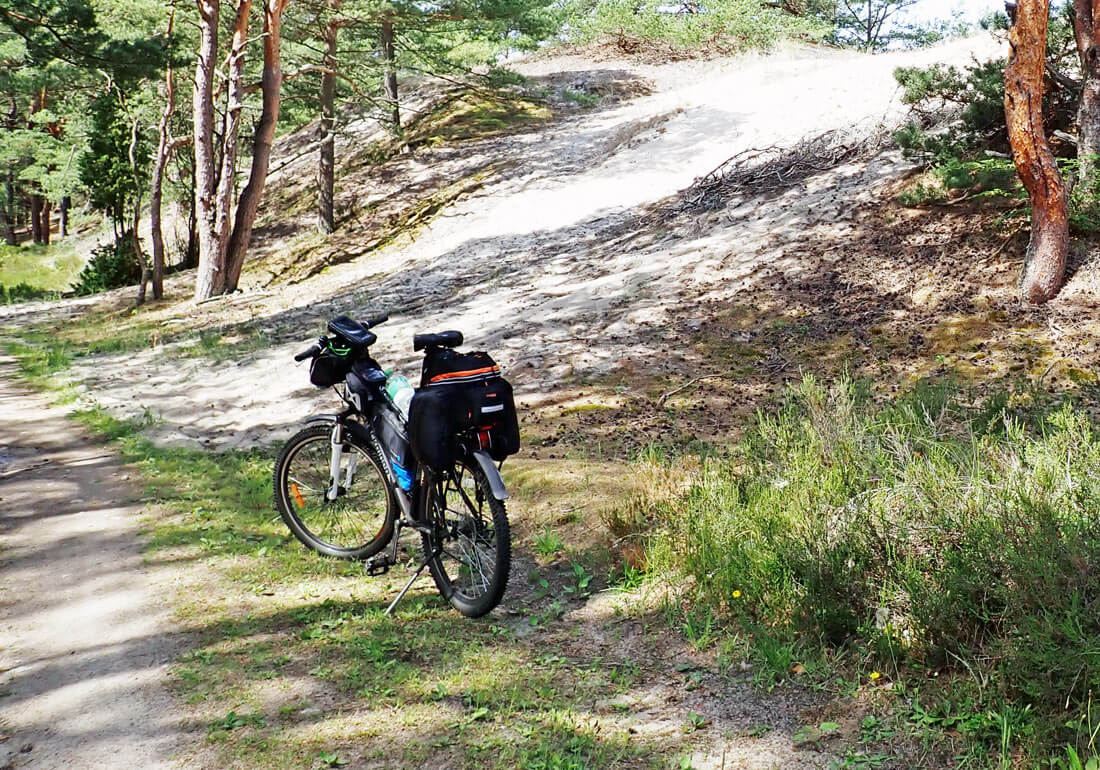
By bicycle — you can cover greater distances, though some sections may be slower than walking. It suits those who prefer not to carry everything on their backs. Determination and creativity allow you to reach places accessible on foot. Open terrain and headwinds can be demanding — sometimes more so than a steep climb.
The principle of minimal equipment remains similar to hiking, though you will need a thorough repair kit and more than one spare inner tube.
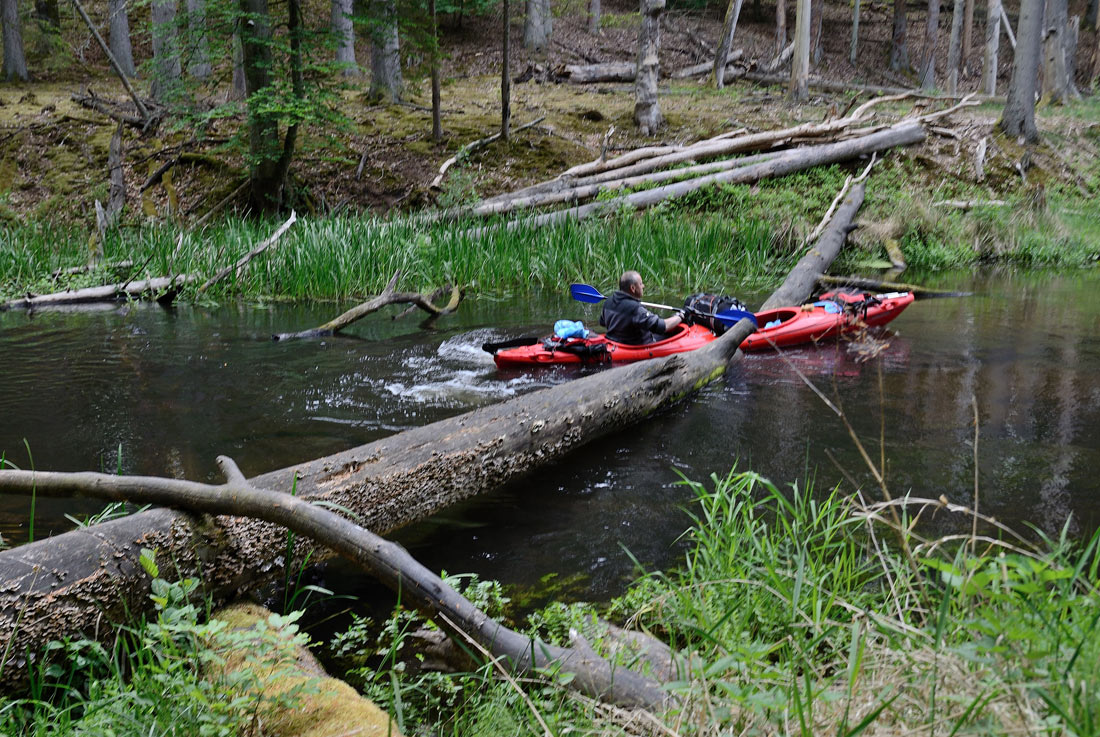
By canoe — travelling along rivers and lake systems. Reading the water and maintaining good physical conditioning are key skills. Portages may be necessary, but they open access to areas beyond road networks.
Water does not need to be carried in large quantities. A dependable filtration system is usually sufficient. In warmer climates across Southern and Central Europe, canoe-based travel can be particularly practical.
Bushcraft methods continue to evolve. Travellers use hiking, cycling, skiing, horseback journeys and custom transport solutions. The tools may differ, but the principle remains the same.What matters most is the ability to adapt to nature and rely on knowledge, skill and experience.